
Abortion Pill Side Effects: What to Expect from Mifepristone and Misoprostol
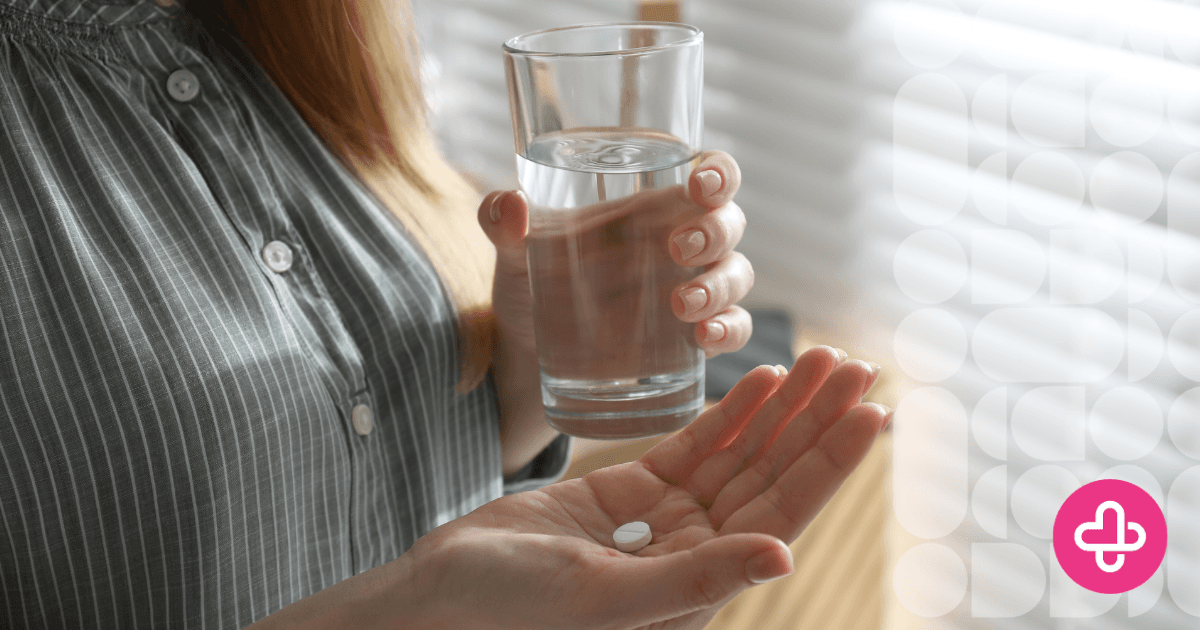

A clear, compassionate guide to the side effects of the abortion pill, what's normal, what's not, and how long each one lasts.
Key takeaways:
The most common abortion pill side effects are bleeding, cramping, nausea, diarrhea, chills, and a mild fever. Most of that comes from misoprostol, the second set of pills, and it usually means the medication is doing what it is supposed to do. The first pill, mifepristone, usually does not cause much, though some people notice light spotting or mild nausea.
For most people, side effects are the most intense about 3–4 hours after taking misoprostol. Once the heaviest cramps and bleeding happen, things usually start to settle down. Chills, nausea, diarrhea, and fever are usually gone within about 24 hours, but lighter bleeding or spotting can come and go for a few weeks.
The abortion pill is safe, effective, and very well studied. It does not hurt your chances of getting pregnant or having a healthy pregnancy later if that is something you want in the future.
Call your provider if you have no bleeding within 24 hours after taking misoprostol, are soaking through 2 pads an hour for 2 hours in a row, or are feeling more sick instead of better after the first 24 hours.
“A lot of people get nervous when the side effects kick in, especially the cramps, chills, or heavier bleeding. But most of the time, those symptoms are a sign the medication is working, not that something is wrong. I always tell people to expect a rough patch for a few hours, get cozy, stay hydrated, and give their body permission to rest.” — Nikki Sapiro Vinckier, PA-C
It can be helpful to have a few things ready ahead of time so you can be as comfortable as possible. Thick overnight pads can help with the heavier bleeding, and a heating pad or hot water bottle can make cramps a lot more manageable. Your clinician can also provide medication for pain and nausea to help you get through the process more comfortably.
Abortion pills have been FDA-approved for more than 25 years and are very safe and effective, but there is still a lot of confusing information online about what the experience actually feels like. It is completely normal to have questions or feel nervous before taking them.
Medication abortion is a process, but it is also a very predictable one. And you are not expected to figure it out alone. If you choose carafem, you'll get abortion pills online from a licensed provider, and our team will walk you through every step.
Below are the questions we hear most often and what you can realistically expect if you, or someone you care about, chooses the abortion pill.
What are the side effects of the abortion pill?
The most common abortion pill side effects are:
bleeding
cramping
nausea
diarrhea
chills
dizziness
a mild fever around 99–100°F
Most of these side effects come from misoprostol, the second set of pills, and usually improve within about 24 hours. Bleeding and cramping are often the biggest signs that the medication is working.
When people say “the abortion pill,” they are usually talking about medication abortion, a two-step process using mifepristone and misoprostol. It is now the most common way people have abortions in the U.S., and it has been studied for many years.
A lot of people describe the experience as feeling like a really heavy, crampy period with some short-term flu-like symptoms mixed in. For most people, the strongest side effects happen about 3–4 hours after taking misoprostol and start to settle down after the heaviest cramps and bleeding happen.
After that, lighter bleeding or spotting can continue on and off for a few weeks. Most people get their next period within about 4–6 weeks.
A lot of people expect the abortion pill to feel scary or unpredictable, but most side effects are actually short-lived and manageable. The biggest thing I remind people is that bleeding, cramping, chills, and nausea are common parts of the process and usually mean the medication is working. It can absolutely be uncomfortable for a few hours, but uncomfortable does not necessarily mean dangerous.
Nikki Sapiro Vinckier, PA-C
What are the side effects of mifepristone?
Mifepristone, the first pill in the abortion pill process, usually causes very few noticeable side effects. A lot of people take it and do not feel much different afterward.
Some people notice light spotting, mild cramping, nausea, or tiredness in the 24–72 hours after taking the first pill. Heavier bleeding and stronger cramps usually do not start until after taking the second medication, misoprostol.
Mifepristone works by blocking progesterone, the hormone a pregnancy needs to continue growing. But it does not directly cause the uterus to contract, which is why most people don't experience the more intense side effects at this step.
And honestly, if you take the first pill and feel mostly normal afterward, that is very common. It does not mean the medication is not working.
Mifepristone has been used safely for decades and is one of the most studied medications we use in reproductive healthcare. A lot of people are surprised by how little they feel after taking the first pill, but that is actually very normal. Most of the heavier bleeding and cramping comes later with misoprostol.
Nikki Sapiro Vinckier, PA-C
What are the side effects of misoprostol?
Misoprostol is the medication that causes the bleeding and cramping during a medication abortion. It works by making the uterus contract so the pregnancy tissue and lining of the uterus empty out, similar to what happens during an early miscarriage.
Most people start bleeding and cramping within 1–2 hours after taking misoprostol, though for some people it takes a little longer and that can still be completely normal.
Common misoprostol side effects include:
heavy bleeding
cramping
nausea
diarrhea
chills
dizziness
a mild fever
A lot of people describe the experience as feeling like a really heavy, crampy period with some short-term flu-like symptoms mixed in. The chills, nausea, diarrhea, and fever happen because the medication affects other parts of the body, not just the uterus.
For most people, the strongest side effects last about 3–4 hours and start to get better after the heaviest bleeding and cramping happen. Symptoms like chills, nausea, diarrhea, and fever usually go away within about 24 hours.
Misoprostol is the part of the process that people usually feel the most. The cramps, bleeding, chills, nausea, and even that ‘flu-like’ feeling can sound scary ahead of time, but they are very common and usually short-lived. I always tell people that if they are having bleeding and cramping after misoprostol, that is often a sign the medication is doing exactly what it is supposed to do.
Nikki Sapiro Vinckier, PA-C
How long do abortion pill side effects last?
For most people, the strongest abortion pill side effects happen about 3–4 hours after taking misoprostol. That is usually when bleeding and cramping are at their peak. Once the pregnancy tissue has passed and the bleeding starts to slow down, things usually start to calm down.
Side effects like nausea, diarrhea, chills, dizziness, and a mild fever are usually short-lived and often get better within about 24 hours. A lot of people find it easier to stay close to a bathroom, get cozy at home, and clear their schedule for the day.
Some people choose to take misoprostol in the evening or once the house is quiet so they can rest and move through the more intense part privately and comfortably.
Lighter bleeding or spotting can continue on and off for a few weeks afterward. Most people get their next period within about 4–6 weeks.
For full bleeding and cramping recovery details, read our guide to recovery after the abortion pill.
Are abortion pill side effects a sign the medication is working?
Yes. Bleeding, cramping, and passing clots are usually signs that the abortion pills are working the way they are supposed to. Medication abortion is a process, not one single moment, and everyone’s body moves through it a little differently.
Cramping in particular is often a reassuring sign that the medication is working. Some people start bleeding within an hour or two after misoprostol, while others take longer. Both can be normal.
A lot of people also notice that pregnancy symptoms like nausea, breast tenderness, or fatigue start to improve within about 48 hours. That can be another sign the medication is working.
carafem does recommend taking a follow-up pregnancy test, but timing matters. Pregnancy hormones stay in the body for a while, so a home pregnancy test can still be positive for several weeks after an abortion. That can be surprising, but it does not necessarily mean anything is wrong or that the abortion did not work. For the most accurate result, wait at least 4–5 weeks before testing.
If anything feels unclear or you’re not sure if what you’re experiencing is normal, you’re never expected to figure it out alone. Call us anytime at (855) 729-2272.
One of the hardest parts of medication abortion can be not knowing what is normal. A wide range of bleeding, cramping, and timing can still be completely okay. If something feels unclear or worrying, that is what your care team is there for.
Nikki Sapiro Vinckier, PA-C
What does taking the abortion pill feel like?
Most people describe the abortion pill experience as feeling like a heavy, crampy period or an early miscarriage with some short-term flu-like symptoms mixed in. For a few hours, the cramps and bleeding can feel intense, but most people say it's much more manageable once the heaviest part passes.
Some people describe the experience as painful. Others say it is more uncomfortable than painful. There is a very wide range of normal, and there is no “right” way it is supposed to feel.
The strongest cramps and bleeding usually happen about 3–4 hours after taking misoprostol. During that time, people may also feel chills, nausea, diarrhea, dizziness, or tiredness. Those side effects are usually temporary and often improve within about 24 hours.
carafem also provides pain and anti-nausea medication as part of our comfort kit to help you stay as comfortable as possible during the process.
For more guidance about cramping and pain, read our guide to abortion pain. For recovery and emotional support after the abortion, read our guide to recovery after the abortion pill.
Does the abortion pill have long-term side effects?
No. Medication abortion does not have proven long-term effects on fertility, future pregnancies, hormones, or overall health. A lot of scary things online about the abortion pill are myths, not medical facts.
The abortion pill has been FDA-approved for more than 25 years and is one of the most studied medications used in reproductive healthcare. It is safe, effective, and commonly used.
After a medication abortion, it is normal to have lighter bleeding or spotting on and off for a couple of weeks. That does not mean there is damage to your body or that something is wrong. Some people also feel more tired than usual for a day or two while their body recovers.
You may choose to avoid intense workouts or heavy physical activity until the bleeding slows down and you feel more like yourself again, but it isn’t entirely necessary. Drinking water, eating regular meals, and getting rest can help your body get back into its normal rhythm.
Overall, the best guide is your own body. Rest when you need to, ease back into daily life when you feel ready, and know that medication abortion is a safe, well-studied option with no lasting impact on your health.
People are often told scary things online about the abortion pill affecting fertility or causing long-term harm, but that is simply not what the evidence shows. Medication abortion has been studied for decades and does not impact your ability to get pregnant or have a healthy pregnancy in the future. Most people physically recover very quickly.
Nikki Sapiro Vinckier, PA-C
When should I contact my provider during a medication abortion?
Most people go through a medication abortion safely at home, but there are a few things that mean it is time to check in with your provider. Contact your care team if:
You have no bleeding within 24 hours after taking misoprostol
You are soaking through 2 pads an hour for 2 hours in a row
You are feeling more sick instead of better after the first 24 hours
Your pain feels severe or is not getting better with medication
You feel dizzy, faint, or like something just feels off
And honestly, you do not need to “earn” the right to call. If you are anxious, unsure, or just want reassurance that what you are experiencing is normal, that is enough reason to reach out.
For post-process recovery warning signs and signs of infection, read our guide to recovery after the abortion pill.
Abortion pill side effects: common questions answered
Does the abortion pill affect future pregnancies?
No. The abortion pill does not hurt your chances of getting pregnant in the future or having a healthy pregnancy later on. The medications leave the body within a few days and only work on the current pregnancy.
You can get pregnant again pretty quickly after a medication abortion, sometimes as soon as 2 weeks later, even before your next period comes back.
Why does the abortion pill cause diarrhea?
Diarrhea is a really common side effect of misoprostol, the second set of pills in a medication abortion. Misoprostol makes the uterus contract, but it can also affect the digestive tract. This is why some people get diarrhea, nausea, stomach cramps, or an upset stomach too.
The good news is that these side effects are usually short-lived and often get better within about 24 hours.
What's the difference between mifepristone and misoprostol side effects?
Mifepristone, the first pill, usually causes very few noticeable side effects. Some people have light spotting or mild nausea, but a lot of people feel completely normal after taking it.
Misoprostol, the second set of pills, is what causes the bleeding, cramping, nausea, diarrhea, chills, and mild fever that most people think of when they picture the abortion pill experience.
For most people, those side effects are the strongest about 3–4 hours after taking misoprostol and start to settle down after the heaviest bleeding and cramps happen.
Is feeling dizzy normal after taking the abortion pill?
Yes. Mild dizziness can be a normal side effect after taking misoprostol and usually goes away within a few hours. It can happen because of cramping, a mild fever, diarrhea, or heavier bleeding.
A lot of the time, resting, drinking water, and eating something light can help you feel better.
But if you feel very dizzy, faint, weak, or like you might pass out, check in with your care team.
A lot of people are surprised by how normal the experience ends up feeling once they are actually in it. It is not usually fun, but it also is not usually the horror story people have seen online. Most side effects are temporary, manageable, and over within a day or so. You deserve honest information, support, and care that helps you feel prepared instead of scared.
Nikki Sapiro Vinckier, PA-C
Related posts
Stay connected with carafem.
Subscribe for honest reproductive health information, carafem updates, and resources worth reading.