
IUD birth control FAQ: is an IUD right for you?
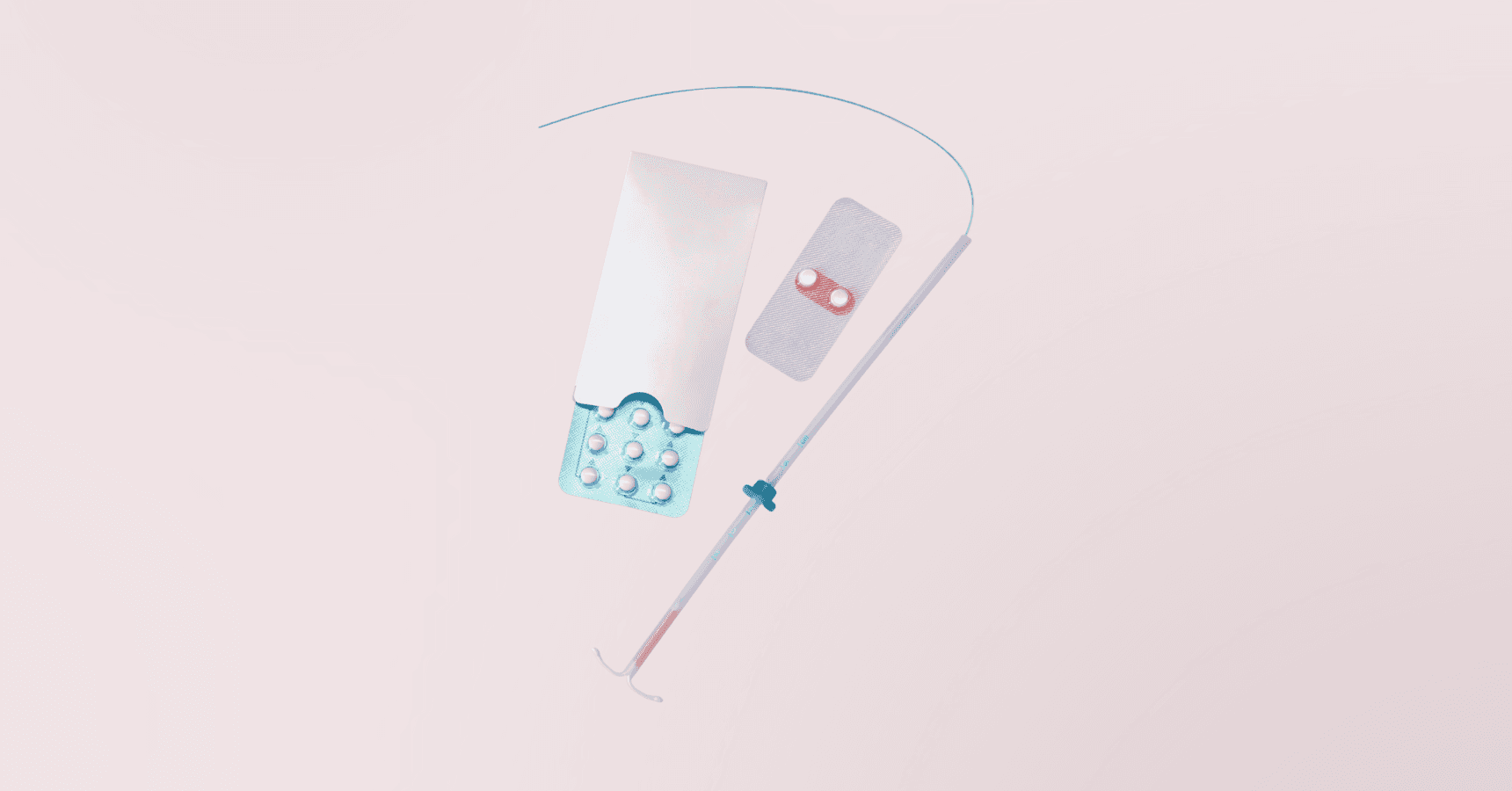

If you want birth control you don’t have to think about every day, an IUD might be a great choice. It’s a small, T-shaped device that goes inside the uterus. IUDs are over 99% effective, can last for years, and can be removed at any time.
At carafem, more and more people are choosing IUDs because they are easy to use, private, and very reliable. Insertion takes just a few minutes, and once it’s in, you can’t feel it. Depending on the type, IUDs last between 3 and 12 years.
An IUD is reversible, covered by many insurance plans (including Medicaid), and works long-term. Still wondering if it's the right fit? Here are some common questions to help you learn more.
So, what is an intrauterine device (IUD), and how do you know if it's the right birth control for you? Below are the most common questions we hear. These answers can help you understand the cost, side effects, effectiveness, and what to expect during and after IUD placement.
1. What is an intrauterine contraceptive device (IUD)?
An IUD (intrauterine device) is a small, flexible piece of plastic shaped like a “T.” A doctor places it in your uterus to prevent pregnancy.
There are two kinds:
Hormonal IUDs: Release a small amount of hormone (progestin).
Copper IUD: No hormones — uses copper to stop sperm.
All IUDs are over 99% effective and totally reversible. You can remove it anytime if you want to get pregnant or switch methods.
Which one is best? It depends on what you want:
Prefer no hormones? Go with copper.
Want lighter or no periods? Try a hormonal IUD.
Want the longest protection? Copper lasts up to 12 years.

2. How long does an IUD last?
Hormonal IUDs: Last 3 to 8 years (depends on the brand).
Copper IUD: Lasts up to 12 years.
You don’t have to keep it in the whole time. You can remove it anytime if your plans change.
3. What’s the difference between hormonal and non-hormonal IUDs?
Hormonal IUDs (like Liletta) release a hormone called progestin. It thickens mucus in the cervix and sometimes stops ovulation. Many people get lighter periods or stop bleeding altogether.
Copper IUD (like ParaGard) has no hormones. Copper stops sperm from reaching the egg. Your period may get heavier or crampier, especially at first.
Both types work well. The best choice depends on what you want your period to be like and whether you prefer hormone-free options.
4. How long does it take to insert an IUD?
The actual insertion is very quick. Most people spend about 10 minutes or less on the exam table, and the insertion itself usually takes 1–2 minutes. Your clinician will talk you through each step as it’s happening, and the entire appointment is typically much shorter than people expect.
If you want a sense of what the process feels like from a patient perspective, you can read more about a real carafem IUD insertion experience.
5. Does IUD insertion hurt?
It depends. Some people feel mild cramping. Others feel more pain. The worst part usually lasts just a few seconds.
What matters most is that pain management should be part of the conversation. And at carafem, your clinician will talk through pain management options with you.
carafem pain management options can include:
Oral pain meds — Tylenol and ibuprofen
A paracervical block — a quick numbing injection around the cervix that significantly reduces insertion pain
Lidocaine gel or spray on the cervix
Medication to soften the cervix (can be especially helpful for people who haven’t given birth)
Anti-anxiety medication, if needed, since anxiety and pain often go hand in hand
Breathing techniques, music, or a support person—simple things that can make a real difference
You’ll also receive guidance on managing cramping afterward, like using ibuprofen, naproxen, or a heating pad.
Everyone is different, but you don’t have to go through it alone. We’ll help make it as easy as possible.
6. How long does it take for an IUD to be effective once inserted?
It depends on the type of IUD you choose.
Hormonal IUDs (Liletta):
Hormonal IUDs: Work right away if placed during the first 7 days of your period. Otherwise, use backup birth control (like condoms) for 7 days.
Copper IUD (ParaGard):
Copper IUD: Works right away, anytime. It also works as emergency birth control if used within 5 days of unprotected sex.
7. Do you have to be on your period to get your IUD inserted?
No, you don’t. An IUD can be placed at any time in your cycle, as long as you're not pregnant.
Some choose to schedule during their period because:
The cervix is more open, so it may hurt less.
Hormonal IUDs work right away if inserted then.
Bottom line: You can get an IUD whenever it works best for you, whether or not you have your period.
If you're getting a hormonal IUD, having your period can make the insertion less uncomfortable and offer immediate protection. But remember, you absolutely don't have to be on your period to get one.
8. Do IUDs cause an abortion?
No. IUDs do not cause abortions.
Here's the medically accurate reality: Pregnancy starts when an embryo implants in the uterus, not when an egg and sperm meet. Major medical organizations use implantation as the definition of pregnancy.
IUDs work before a pregnancy ever begins.
9. Why do you need to have an IUD replaced?
IUDs don't last forever. Like all medicines or devices, they are approved for a certain number of years. Their effectiveness slowly goes down after that time. Replacing an IUD on time simply makes sure you stay protected at the same high rate of 99% or more.
When it's time for a new one, the process is easy. Your doctor can remove your old IUD and insert a new one during the same visit. This usually takes only a few minutes. You don't have to wait between the two, and you stay protected from pregnancy without any break.
10. How do IUDs compare to other long-term birth control?
IUDs are small devices placed inside your uterus. They stop pregnancy for 3 to 12 years, depending on the type. They are over 99% effective and need almost no care once they are in. This is why many people like them. Unlike the pill, you don't have to remember to do anything daily. They just keep working.
Another long-term option is the Nexplanon implant. Nexplanon is just as easy and effective—it's over 99% effective and very low-maintenance. But instead of going into the uterus, it's a small, flexible rod (about the size of a matchstick) that goes under the skin of your upper inner arm. You won't see it, and you won't feel it much after the first few days. It protects against pregnancy for 3 to 5 years.
Both are great, very reliable options. The main differences are where they go, if they use hormones, and what feels best for you. If you want long-term birth control without something placed in your pelvis, Nexplanon can be a good choice. If you prefer something that sits in the uterus and can last even longer, an IUD might be a better fit.
11. Can your body reject an IUD?
While IUDs are very safe and work well, no birth control method is perfect. Most people have no problems with their IUDs. However, like any medicine or device, a few people will have something called an "expulsion."
"Expel" sounds serious, but it just means the IUD has moved down or slipped out of its correct spot. This is not dangerous. But if it happens, it won't prevent pregnancy. It needs to be taken out and replaced if you still want an IUD.
You do not need to check your strings regularly. That advice is old and not supported by current doctors' guidelines. But it is important to watch for symptoms. Signs that an IUD may have moved include bad cramping, new or worse pain, changes in bleeding that are unusual for you, or if you or your partner feel the hard plastic of the IUD near your cervix at any time.
12. Can I get an IUD if I’ve never had kids?
Yes, you can absolutely get an IUD even if you've never had children. The old idea that IUDs are "only for people who've already given birth" is outdated. Current medical guidelines show IUDs are safe and effective for most people with a uterus, whether you're a parent or not. If an IUD is the right method for you, you don't need to have had a baby to choose one.
13. What are the side effects of IUDs?
There are two types of IUDs — hormonal (Liletta) and non-hormonal (Paragard) — and each comes with its own set of side effects you deserve to know about.
Hormonal IUDs: Can cause spotting at first. Periods often get lighter or stop. Some people feel mild side effects like breast soreness or mood shifts.
Copper IUD: No hormones. Periods may be heavier or crampier at first.
Everyone reacts differently. If one type doesn’t work for you, there are others to try.
Both types work very well, and you can stop using them whenever you want. But they don't affect everyone the same way. Knowing the real, common side effects—not just the good parts in ads—helps you choose what's best for your body, your life, and your comfort.
14. Why do some people stop getting periods with hormonal IUDs?
Hormonal IUDs put a small, steady amount of progesterone right into the uterus. This small dose makes the uterine lining very thin. Because of this, there is less lining to shed each month.
This is why about 90% of users have lighter or less frequent periods. About 25% of users stop bleeding completely after a few months. It is normal, safe, and expected not to get a period with a hormonal IUD.
A missing period does not mean anything is wrong. It is just how this birth control works.
Getting pregnant with an IUD is extremely rare because the method works so well. Still, if you are ever unsure or notice symptoms like feeling sick, sore breasts, or being tired, it is fine to take a pregnancy test. This can give you peace of mind. Even cheap tests from the dollar store are reliable. You can test anytime you want to be sure—you never have to wait.
If you want to have a regular period, or if you like using bleeding as a monthly check-in, the copper IUD (Paragard) might be a better choice. It does not change your cycle in the same way.
15. Which IUD is best if I want to have a lighter period?
Hormonal IUDs are best. Mirena and Liletta are more likely to stop periods. Kyleena and Skyla may still cause bleeding, but it’s usually lighter.
16. Will an IUD make me gain weight?
Most research shows no clear link between IUDs and significant weight gain. A major evidence review found no meaningful difference in weight changes between people using hormonal IUDs and those using non-hormonal methods.
Most people do not gain weight because of an IUD. Any weight changes are usually from other life factors. If you want a hormone-free option, the copper IUD may be a good fit.
17. Do I need STI testing before getting an IUD?
Your healthcare provider might suggest testing for common sexually transmitted infections (STIs) like chlamydia and gonorrhea when you get your IUD. This is especially true if you have had new or several partners.
An IUD doesn't cause an infection. However, placing an IUD when an STI is present can slightly raise the chance of a pelvic infection if the cervix is already infected.
The good news is that STI testing is easy and usually doesn't cause delays. Many clinics, including carafem, can:
Do a quick swab or urine test at the same visit
Insert the IUD that day
Send in a prescription for antibiotics if any infection was found in your results
If an infection is found after the IUD is inserted, it can usually be treated with antibiotics without taking the IUD out.
Having had an STI in the past doesn't mean you can't get an IUD. It just means your clinician may be extra careful with testing and follow-up. The goal is always to keep your uterus and your IUD as safe as possible.
18. Will an IUD make me infertile? How long will it take to get pregnant afterward?
This is one of the biggest worries people have about IUDs, but the good news is it's not true. High-quality studies show that using an IUD is not linked to infertility at all.
Many studies have found that your risk of infertility is not higher with an IUD compared to other types of birth control.
The myth that IUDs cause infertility came from older devices used in the 1970s. These devices are no longer available. The modern IUDs we use today are safe.
As for how long it takes to get pregnant after removal, fertility returns to normal very quickly. There is no delay. Your body doesn't need to "reset" anything. Many people start ovulating during the first menstrual cycle after the IUD is taken out, and you can get pregnant right away.
IUDs only prevent pregnancy while they are in your body. Once the IUD is removed, your body immediately goes back to its usual fertility pattern.
19. Can I remove my IUD early if I want to get pregnant?
Yes, absolutely. Even though IUDs can last anywhere from 3 to 12 years (depending on the type), you can have your IUD removed at any time if you decide you want to get pregnant or simply want to switch birth control. You are never stuck with the device for its entire lifespan.
Removal is quick, easy, and usually less painful than insertion. Once the IUD is out, your ability to get pregnant returns right away. Many people ovulate in their very next cycle.
Also, you don’t need to choose a "shorter" IUD just because you don’t need the full duration. Any IUD can be taken out early. This means you can pick the one that feels right for your body now, without worrying about the timeline.
20. Does sex feel different with an IUD?
Usually, no. You or your partner shouldn’t feel it. If the strings bother your partner, a provider can trim them.
21. How do you know if an IUD is in the right place?
The most reliable way to know your IUD is in the right place is to have a follow-up appointment. Many doctors suggest a check-up within the first month after insertion to confirm it's sitting correctly in the uterus. This is especially true if it's your first IUD or you feel unsure. This visit is quick and can offer peace of mind.
Some people choose to check their IUD strings at home. This is not required, and not everyone is comfortable doing it. The key is to feel the soft strings, not the firm plastic tip of the IUD itself. Feeling the IUD itself is a sign that it has moved.
Most of the time, you won't feel anything at all—and that is a good sign. If you ever notice new pain, ongoing cramps, unusual bleeding, or something just feels "off," your doctor can check to make sure everything is exactly where it should be.
22. How does an IUD stay in place? Can it get lost in my body?
No. It stays in your uterus. It won’t move to other parts of your body.
23. What are the risks of an IUD insertion?
Serious problems are rare. Risks include:
Perforation (IUD pokes through the uterus) — happens in about 1 in 1,000 cases.
Expulsion (IUD moves or falls out) — 2–5% of people.
Infection — usually within the first 3 weeks if an STI is present.
24. How Much Does an IUD cost?
The cost of an IUD can vary depending on the type you choose and where you get it. The good news is that most insurance plans cover IUDs.
At carafem, we accept a wide range of insurance plans and can walk you through what your specific coverage looks like. If it’s helpful, call us at 1-855-SAY-CARA to review pricing for your plan or discuss self-pay options.
When you call us, we can also check whether you qualify for financial assistance to cover most of the cost of the IUD.
carafem also offers birth control pills for $12/month if you’re not ready for an IUD yet.
For the most up-to-date information, please review our Costs page.
25. Is it safe to have an IUD while breastfeeding?
Yes. Both hormonal and copper IUDs are safe during breastfeeding. They don’t affect milk supply.
The time after giving birth is actually one of the best and easiest times to get an IUD. Many new parents want birth control that works very well and doesn't require much effort. This lets them focus on their new baby without worrying about contraception. An IUD fits this need perfectly.
26. I’m having pain after getting an IUD. Should I remove it?
Not always. Some cramping or spotting is normal for a few months. But if the pain is strong or doesn’t go away, check with your provider. If it doesn’t work for you, removal is simple.
You don’t have to “tough it out” if it doesn’t feel like the right fit. There are plenty of alternatives — including the implant (which goes in your arm instead of the uterus), the pill, the ring, the patch, and more.
Feeling like you’re ready to get an IUD, or have more questions you’d like to ask in person? Get started online or give us a call at (855) SAY-CARA.

Get the newsletter
Subscribe to our newsletter for reproductive health information and resources.