
Birth control options you need to know


From methods that last for years to options you control day by day, here’s what to know about some of the most common types of birth control.
There is no single “best” birth control method. The best one is the one that works for your body, your priorities, and your life right now.
Maybe you want the most effective option available. Maybe you want something you never have to remember, something without hormones, or something you can start and stop yourself. You may care about lighter periods, fewer cramps, privacy, cost, or how quickly you can become pregnant after stopping. All of those things matter.
It’s also completely normal to try a method and decide it isn’t right for you. Your friend may love their IUD while you prefer the pill, patch, or ring. Bodies respond differently, and choosing birth control doesn’t have to be a permanent decision.
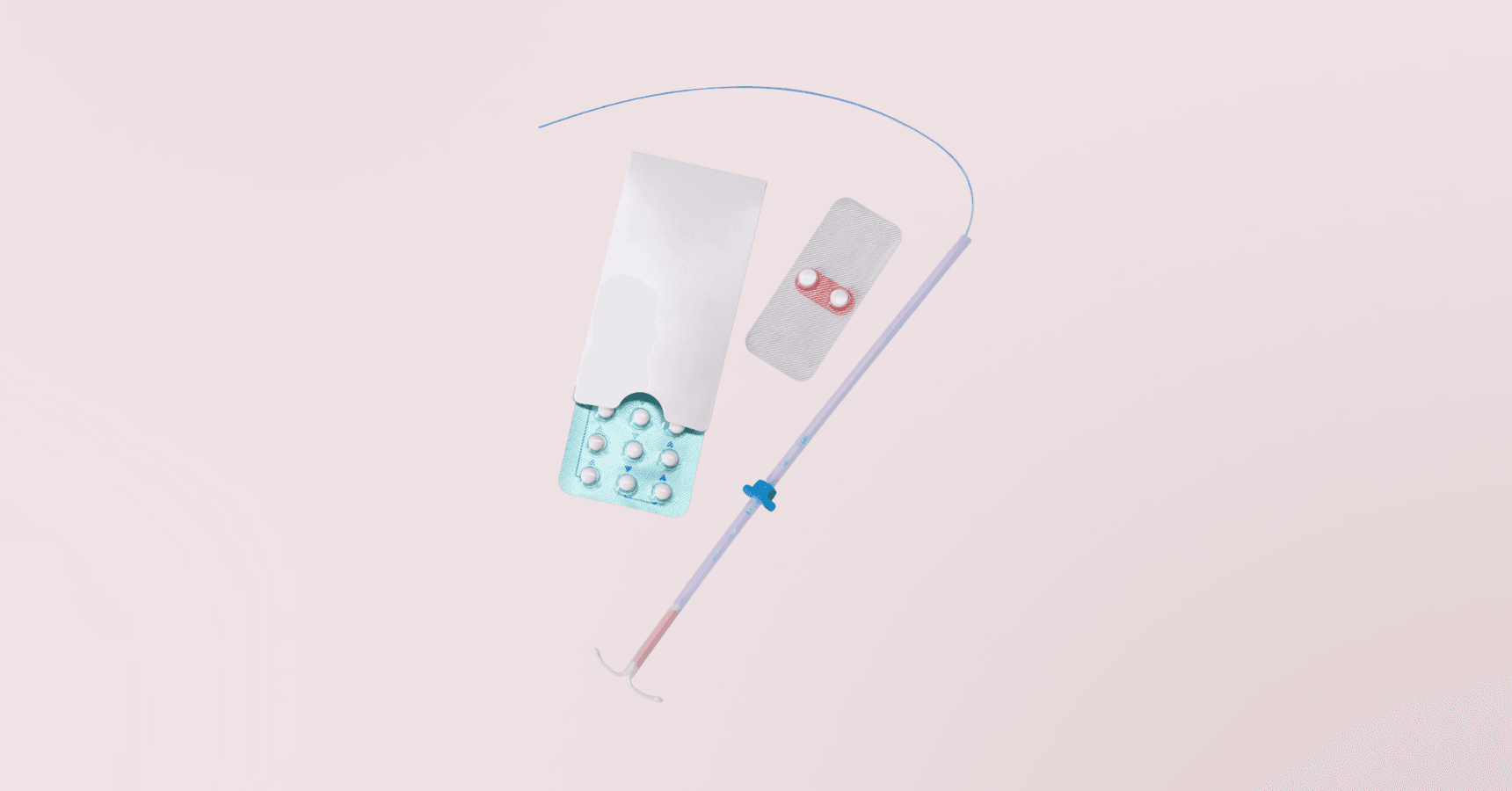
The 9 options below are reversible and will not harm your future fertility. Let’s look at how each one works, what we like about it, and the complaints we hear most often.
1) A hormonal IUD, like Liletta

A hormonal IUD is a small device placed inside your uterus by a clinician. It releases a low dose of progestin and can prevent pregnancy for 3 to 8 years, depending on the brand. You can have it removed sooner if you decide it isn’t for you or no longer need birth control.
Things we like
It’s more than 99% effective.
You don’t have to remember anything each day, week, or month.
Liletta works for up to 8 years.
Periods often become lighter, shorter, and less painful. Some people stop getting a period.
It’s discreet and can be removed whenever you want.
It’s safe for many people who are breastfeeding or have never given birth.
Fertility returns to baseline quickly after removal.
Common complaints
Insertion can be painful, although pain management options are available.
Irregular bleeding and spotting are common during the first 3 to 6 months.
Some people experience acne, headaches, breast tenderness or mood changes.
A hormonal IUD may be a good fit if you want highly effective birth control that requires almost no maintenance and may make your periods easier.
2) The copper IUD, or ParaGard

The copper IUD is a small, hormone-free device placed inside your uterus by a clinician. Once it’s in, there’s nothing to remember each day, and it can prevent pregnancy for up to 10 years. You can have it removed whenever you want.
Things we like
It’s more than 99% effective.
It’s completely hormone-free.
It starts working immediately.
It can be used as emergency contraception if inserted within 5 days after unprotected sex.
It’s safe to use while breastfeeding, if you smoke, or if you’ve never given birth.
Fertility returns to normal quickly after removal.
Common complaints
Insertion can be painful, although pain management options are available.
Periods may become heavier, longer, or more crampy, especially during the first few months.
If you already have heavy or painful periods, it may not be the best fit.
The copper IUD may be a great option if you want highly effective, long-lasting birth control without hormones.
3) The birth control implant, a.k.a. Nexplanon

Nexplanon is a matchstick-sized rod placed under the skin of your upper arm. It releases progestin to prevent pregnancy.
Things we like
It’s more than 99% effective.
It works for up to 5 years.
There’s nothing to remember once it’s placed.
It doesn’t contain estrogen.
It can be removed whenever you want.
Fertility returns to normal quickly after removal.
Common complaints
Unpredictable bleeding is very common. Periods may become lighter, heavier, less frequent, or stop completely.
Some people experience headaches, acne, breast tenderness, or mood changes.
Your arm may be sore or bruised for a few days after placement.
Insertion and removal require an appointment with a trained clinician.
The implant may be a great option if you want highly effective birth control without an IUD or a daily routine.
4) Birth control pills

Birth control pills contain hormones that prevent pregnancy. There are many formulations, so if one pill doesn’t work well for you, another may feel completely different.
Things we like
They’re about 93% effective with typical use.
They may make periods lighter, more predictable, and less painful.
Some pills can improve acne and other period-related symptoms.
You can use them to safely skip your period.
You can stop taking them without an appointment.
There are options with estrogen and progestin-only options.
Common complaints
You have to remember to take a pill every day.
Some pills must be taken within the same time window each day.
Spotting, nausea, headaches, breast tenderness, or mood changes can happen.
Pills containing estrogen aren’t safe for everyone.
The pill may be a good fit if you want a method you control yourself and don’t mind making it part of your daily routine.
And now, for the first time, there’s a birth control pill you can buy without a prescription. Opill is a progestin-only pill available over the counter in stores and online. That means no appointment, no prescription, and more control over when and how you access birth control. Just remember to take it at the same time every day for best results.
5) The birth control shot, Depo-Provera

The birth control shot is a progestin injection given every 3 months. It may be a good fit if you want something private and low-maintenance but don’t want an implant or IUD.
Things we like
It’s about 96% effective with typical use.
You don’t have to remember a pill every day.
It doesn’t contain estrogen.
Periods often become lighter, and some people stop getting them.
It’s safe for many people who are breastfeeding.
It’s private, and there’s no device to insert.
Common complaints
You need another shot every 12 to 13 weeks.
Irregular bleeding is common, especially at first.
Some people experience weight gain, headaches, or mood changes.
Once you receive the shot, you can’t remove it. You have to wait for it to wear off.
It can take several months for fertility to return after your last injection.
Long-term use can temporarily reduce bone density.
6) The birth control ring

The birth control ring is a soft, flexible ring you place inside your vagina. Depending on the brand, you replace it monthly or reuse it for up to 1 year.
Things we like
It’s about 93% effective with typical use.
You don’t have to remember it every day.
It may make periods lighter and less painful.
You insert and remove it yourself.
Common complaints
It may cause spotting, headaches, or vaginal irritation.
You or a partner may feel it during sex.
It contains estrogen, so it isn’t safe for everyone.
Each brand has different instructions, including how long it can safely remain outside your vagina.
The ring may be a good fit if you want something you control yourself but don’t want to remember a daily pill.
7) The birth control patch

The birth control patch sticks to your skin and releases estrogen and progestin. You replace it weekly for 3 weeks, then usually leave it off during the fourth week.
Things we like
It’s about 93% effective with typical use.
You only have to remember it once a week.
It may make periods lighter and less painful.
You apply and remove it yourself.
Common complaints
It can irritate your skin or come loose.
It’s visible.
It may cause spotting, nausea, headaches, or breast tenderness.
It contains estrogen, so it isn’t safe for everyone.
Some brands may be less effective or not recommended above certain weights or BMIs.
The patch may be a good fit if you want a method you control without having to think about it every day.
8) Fertility awareness-based methods
Fertility awareness-based methods involve tracking signs such as your cycle dates, cervical mucus, and basal body temperature to identify when you’re most likely to become pregnant. During that fertile window, you avoid sex or use a barrier method like condoms.
Things we like
They’re completely hormone-free.
There’s no prescription, procedure, or device.
They can help you better understand your cycle and body.
You can start or stop whenever you want.
The same information can be helpful if you decide you want to become pregnant.
Common complaints
They require consistent, often daily tracking.
Effectiveness varies widely by method and how closely you follow it.
Illness, irregular cycles, sleep changes, and travel can make fertility signs harder to interpret.
A period-tracking app alone may not reliably identify your fertile days.
They don’t protect against STIs.
Fertility awareness can work well for some people, but it takes more than checking an app. Learning a specific method from a trained educator can help.
9) Condoms
Condoms may not feel like the most exciting birth control option, but they do something the others can’t. They help prevent pregnancy while also protecting against many sexually transmitted infections, including HIV.
You can use condoms on their own or pair them with the pill, patch, ring, shot, implant, or IUD for extra pregnancy protection.
Things we like
External condoms are about 87% effective with typical use.
They’re hormone-free.
They’re easy to find and don’t require a prescription.
Non-latex options are available.
You only need to use one when you have sex.
Common complaints
You have to remember to use a new one every time.
They can slip or break.
Some people feel like they reduce sensation.
Latex can cause irritation or an allergic reaction.
They don’t fully protect against infections spread through skin-to-skin contact, such as herpes or HPV.
Even if you already use another form of birth control, condoms can add pregnancy protection and help protect you from STIs.
What about FC2 internal condoms?
The FC2 internal condom, sometimes called a female condom, is a soft, hormone-free pouch worn inside the vagina. It can be inserted up to 8 hours before sex and helps protect against both pregnancy and STIs. It also gives the receptive partner more control over protection. Just remember not to use an internal and external condom together because the friction can make them more likely to tear.
What other birth control options are available?
The methods above are some of the most common, but they’re definitely not your only choices.
Diaphragm: A reusable, dome-shaped barrier placed inside the vagina before sex and used with spermicide.
Cervical cap: A smaller reusable barrier that covers the cervix and is also used with spermicide.
Birth control sponge: A disposable sponge containing spermicide that you place inside the vagina before sex.
Spermicide or contraceptive gel: Products placed inside the vagina before sex that make it harder for sperm to reach an egg. They’re more effective when paired with another barrier method.
Withdrawal: Pulling the penis out of the vagina before ejaculation. Timing can be tricky, which makes it less effective in real life.
Not having sex that can cause pregnancy: Sex doesn’t have to include penis-in-vagina intercourse.
Abstinence “Not right now” is always a valid option.
Permanent birth control: Tubal surgery and vasectomy are highly effective options for people who are sure they don’t want a future pregnancy.
Emergency contraception: Pills or certain IUDs can help prevent pregnancy after unprotected sex or when birth control fails. Emergency contraception does not end an existing pregnancy.
You have options, and you can use more than one. What matters is finding something that works for your body, your life, and the amount of effort you realistically want to put into your birth control.
So, which birth control option is right for you?
The right method fits your health, your lifestyle, and what matters to you right now. And sometimes finding it takes a little trial and error. You’re allowed to switch methods, stop using one you don’t like, or decide that what worked for you before no longer works for you now.
You don’t need to decide alone. When you’re ready, you can talk with a carafem clinician about your birth control options, ask questions, and choose the method that feels like the best fit for your life.

Stay connected with carafem.
Subscribe for honest reproductive health information, carafem updates, and resources worth reading.