
Demystifying abortion pain
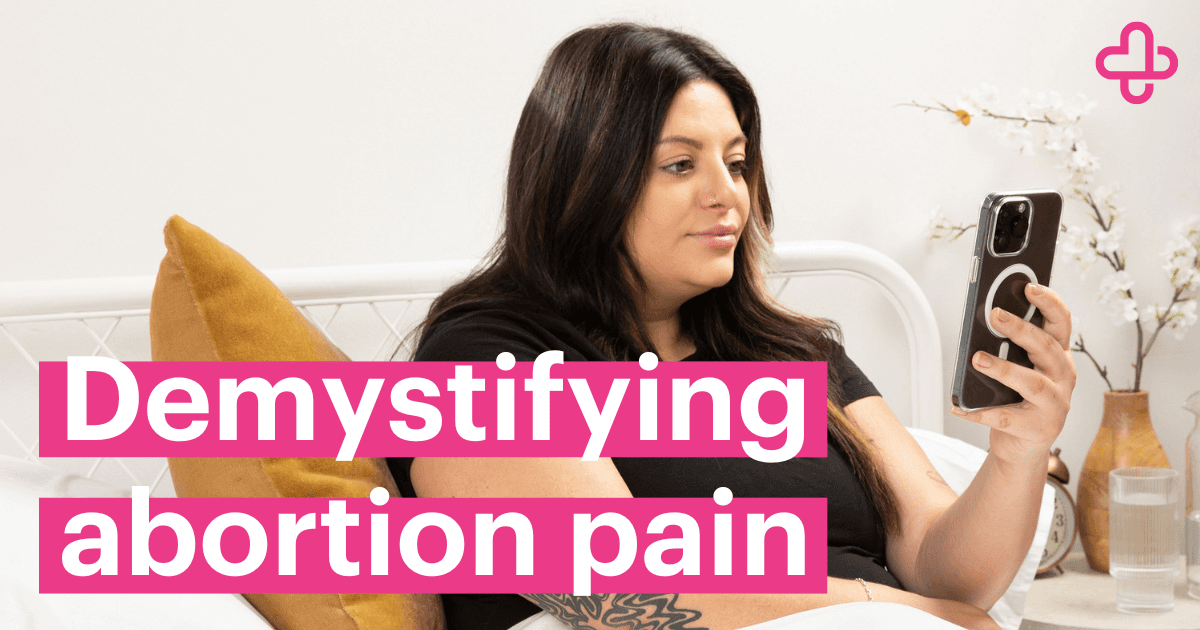

Tools for managing abortion pain at home or during an in-office visit
If you are preparing for an abortion, you might be wondering how much it will hurt and what you can do to feel more comfortable. First, let me say this clearly. Pain during an abortion is common, and it is usually normal. It is very similar to what many people feel during a heavy period or a miscarriage. It does not mean your body is in danger. It means your uterus is contracting and doing exactly what it needs to do.
carafem provides both medication abortion and in-clinic abortion, and provides pain and anti-nausea medication as part of our comfort kit to help you stay as comfortable as possible during the process.
You are allowed to want your pain to be manageable
You deserve clear explanations, real options, and the kind of support that makes you feel grounded instead of anxious. Think of this as a conversation with a clinical friend who cares about you and wants you to feel prepared, not scared.
Let’s walk through what abortion pain usually feels like and what you can do to make the process easier.
What abortion pain actually feels like
Most people using abortion pills will feel uterine cramping. These cramps happen because of prostaglandins. They are the same chemicals that cause period cramps. If you have ever wondered why your period sometimes makes your uterus feel like it is wringing itself out, this is why. The Cleveland Clinic has a good explainer on how prostaglandins work if you want the deeper science.
Medication abortion increases prostaglandin activity so the uterus can empty. Because it is the same pathway, the pain often feels very familiar. People commonly describe:
Strong cramps
Pressure that comes in waves
Pain low in the abdomen or lower back
Nausea or diarrhea
Research shows that pain with medication abortion usually peaks around 3 to 4 hours after using misoprostol and then steadily gets better over the next 12 to 24 hours. These patterns consistently appear in the World Health Organization guidelines.
If you are having an in-clinic procedural abortion, the strongest cramps usually happen during the few minutes of the procedure itself. Afterward, most people describe mild period-like cramps for the rest of the day.
The big takeaway is that abortion pain has the same root cause as period pain, which means many of the same tools that help with periods will also help here.
Ways to feel more comfortable during an abortion
Everybody feels pain differently, so there is no one right way to manage it. What you do have is a set of evidence-based strategies that are simple, accessible, and often quite effective.
Heat therapy
If you have ever curled up with a heating pad during your period and felt the relief wash over you, the same thing applies here. Heat relaxes the uterine muscle and improves blood flow. A study available through the National Institutes of Health found that continuous heat therapy can work as well as some over-the-counter medications for menstrual cramps.
Try a warm bath, a heating pad, or a hot water bottle. Put it on your lower belly or lower back. Even 10 to 20 minutes can help.
Over-the-counter medications
Ibuprofen (Advil) and acetaminophen (Tylenol) are the same medications many people use for period pain. They also work for abortion pain. Ibuprofen is often the best choice because it blocks prostaglandins at the source. This is why both the WHO and ACOG recommend ibuprofen for abortion care.
Acetaminophen works differently. It does not block prostaglandins, but it still helps with general pain. Some people alternate ibuprofen and acetaminophen if their clinician approves it.
If nausea or diarrhea are making your cramps more intense, an anti-nausea medication or an option like Imodium can help. Diarrhea can increase abdominal cramping, so managing it can reduce overall discomfort.
One thing to avoid is muscle relaxants. They are not recommended during a medication abortion because they can interfere with how the uterus needs to contract.
Gentle movement and uterine massage
If you have ever noticed that curling into a ball or rocking your hips helps with period cramps, you are not imagining it. Though you may not feel like it, gentle movement can ease discomfort because it helps your body release tension instead of holding it.
Try slow stretching, shifting positions, short walks around the room, or rubbing small circles on your lower belly. Pairing this with slow, steady breathing can help your nervous system come out of fight or flight mode and settle down.
Cannabis where legal
Some people find cannabis helpful for pain or nausea. The most comprehensive scientific review we have, from the National Academies of Sciences, found strong evidence that cannabis can help with chronic pain.
We do not yet have large studies specific to abortion, so think of cannabis as an optional comfort tool, not a primary pain plan. If you choose to use it, follow local laws, use a dose you know your body can handle, and avoid mixing it with other sedating medications. And of course, do not drive while under the influence of marijuana.
TENS units
TENS units are small devices that use gentle electrical pulses to interrupt pain signals before they reach the brain. They are used widely for period cramps and low back pain, and multiple high-quality reviews show they can help reduce uterine cramping.
If you have never used one before, you are not alone. Most people do not own a TENS unit, but they are easy to find online or at many pharmacies and are often much more affordable than people expect. They can also be reused for period cramps or back pain in the future.
To use one, place the pads on your lower abdomen or lower back and adjust the settings until the sensation feels comfortable. Many people are surprised by how effective this can be.
carafem’s comfort kit
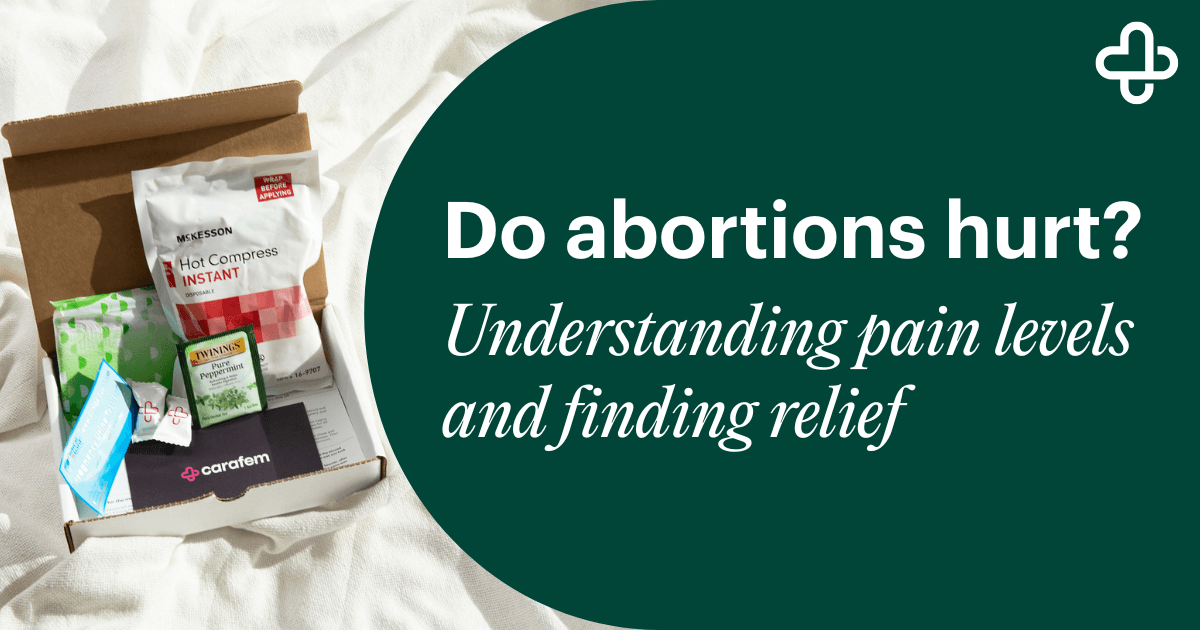
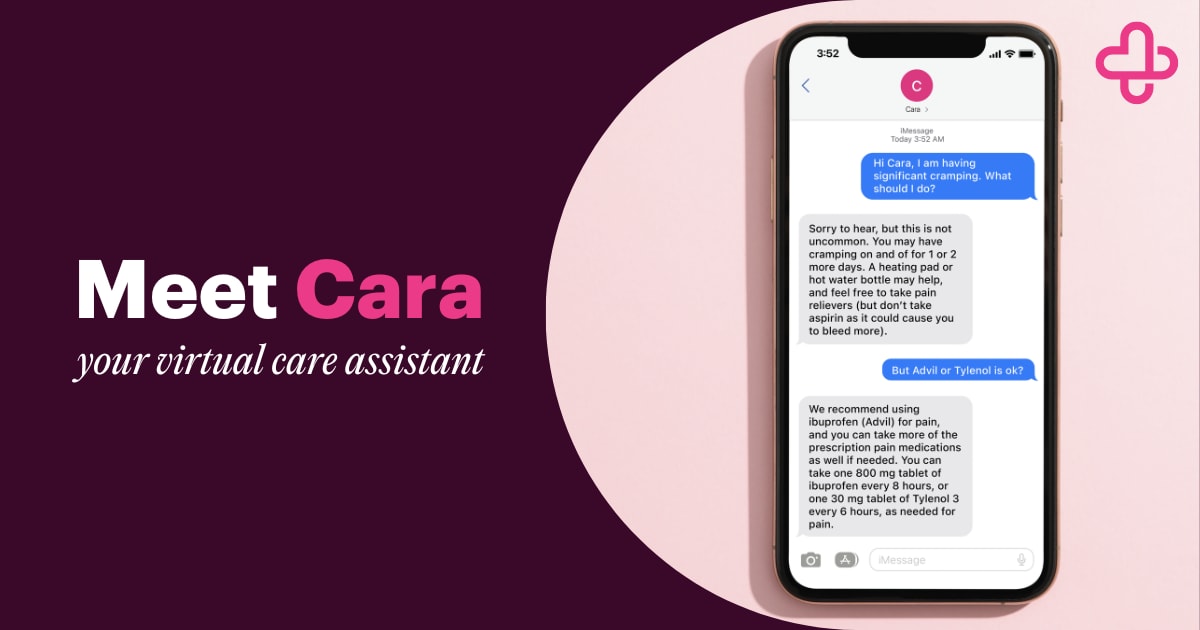
Managing an abortion at home shouldn’t mean managing it alone. That’s why we designed every step of carafem’s at-home abortion experience with intention, centering comfort, clarity, and real support. When you receive abortion pills online or in a carafem health center, you also receive our free abortion comfort kit: a thoughtfully built collection of comfort items, paired with 24/7 support from Cara, our text-message virtual care companion. It’s all part of our commitment to making sure you feel cared for, informed, and never left to figure things out on your own.
Pain management during an in-clinic abortion
If you choose to come into a carafem reproductive health center for a procedural abortion, your comfort is built into the experience from the moment you walk in. Our spaces are calm and private. Appointments are short and personalized. You are met by a team that listens and supports you through the entire visit.
During an in-clinic abortion, your clinician may use a combination of:
numbing medication on the cervix
ibuprofen or acetaminophen
Tylenol 3 when helpful
IV sedation is available at our Chicago location for people who want deeper comfort
The procedure itself is quick. The strongest cramping usually happens during the suction and then improves quickly. After that, most people feel period-like cramps for a day or two.
You get to choose the level of support that feels right for you
Abortion pain is real, and you deserve to have that acknowledged. For decades, women and people with uteruses have been dismissed or told to “tough it out” when it comes to their pain. That kind of gaslighting has caused real harm, and we are not here to continue that cycle.
You deserve clear information about what is happening in your body. You deserve options that actually help. And you deserve to feel empowered to choose the pain management plan that works best for you.
When you understand why the cramps happen, prepare with tools backed by evidence and supported by a trusted source, the experience becomes far less overwhelming and much more manageable. Whether you are navigating a medication abortion at home or receiving care in one of our health centers, you should feel informed, supported, and in control of your own comfort.
If you want more guidance, you can explore our article do abortions hurt, to learn more about what to expect and sign up for updates to stay informed throughout your experience. You are not alone in this, and we are here to help you feel as safe and supported as possible.

Medical review by
Melissa Grant
Co-Founder and COO / carafem
With three decades of experience in sexual and reproductive healthcare, Melissa has led organizations to deliver client-centered care, enhance clinical practices, expand access, and drive innovation f...


Get the newsletter
Subscribe to our newsletter for reproductive health information and resources.